
Protein is often associated with athletes, bodybuilding, and fitness supplements. While it certainly plays an important role in building muscle, its benefits extend far beyond the gym.
Every cell in the human body relies on protein. It contributes to tissue repair, immune function, enzyme production, and countless processes that keep us functioning throughout the day.
Yet many people focus more on calories, carbohydrates, or fats than on whether they are getting enough high-quality protein.
Understanding how protein works, where to find it, and how nutritional needs change over time can help people make better decisions about their everyday health.
Why Protein Is Essential for the Human Body
Protein is one of three major macronutrients, along with carbohydrates and fats. Unlike carbohydrates, which primarily supply energy, protein provides amino acids that the body uses to build and maintain tissues.
Amino acids are often described as the building blocks of protein. There are 20 common amino acids used to make proteins in the human body, including nine essential amino acids that must come from food.
These building blocks help the body produce muscles, enzymes, hormones, antibodies, and other important structures.
Protein also supports the maintenance of skin, hair, and connective tissues. When the body needs to repair damaged tissue, amino acids help provide the raw materials for that process.
This is why protein is important for people of every age, regardless of whether they exercise regularly.
Protein and Muscle Maintenance
One of protein’s best-known functions is supporting muscle health.
Muscles continually undergo a process of protein breakdown and rebuilding. Eating adequate protein helps supply the amino acids needed for muscle protein synthesis.
Physical activity, particularly resistance exercise, stimulates the body to maintain and build muscle.
Protein and exercise work together. Consuming additional protein without physical activity does not necessarily produce meaningful muscle growth, just as exercise without sufficient nutrition can limit recovery.
Muscle health becomes especially important with age.
Many adults gradually lose muscle mass and strength as they grow older, a process that can eventually affect balance, mobility, and independence.
Regular strength training and adequate protein intake can help older adults maintain physical function.
This does not mean everyone needs protein shakes or supplements. Many people can meet their needs through ordinary meals that include a variety of protein-rich foods.
How Protein Supports Immune Function
The immune system depends on a complex network of cells, signaling molecules, and protective proteins.
Antibodies, for example, are proteins produced by immune cells to recognize specific substances.
Many enzymes and signaling molecules involved in normal immune responses also contain protein.
When a person consistently consumes too little protein, the body may have difficulty maintaining normal tissue and immune functions.
However, eating extra protein beyond nutritional needs does not automatically make the immune system stronger.
Immune health also depends on adequate sleep, overall nutritional status, physical activity, and appropriate medical care.
A balanced diet containing protein, vitamins, minerals, and other essential nutrients is more useful than relying on any single food or supplement.
Understanding Complete and Incomplete Proteins
Protein sources differ in their amino acid composition.
A complete protein contains all nine essential amino acids in adequate proportions.
Common examples include eggs, dairy products, fish, poultry, meat, and soy foods.
Some plant proteins contain lower amounts of one or more essential amino acids, but that does not make them unhealthy or ineffective.
Beans, lentils, nuts, seeds, and whole grains can all contribute valuable protein to a balanced diet.
People following vegetarian or vegan diets can meet their amino acid needs by eating a variety of protein-containing foods throughout the day.
It is generally unnecessary to combine specific plant proteins at every meal, provided the overall diet supplies enough protein and essential amino acids.
The most important factors are adequate total intake, dietary variety, and individual nutritional needs.
Why Protein Quality Matters
Protein quality refers to how effectively a protein source supplies digestible essential amino acids.
Different foods contain different amounts of protein, and the body may digest and absorb their amino acids at different rates.
Eggs, milk proteins, and soy are among the commonly studied high-quality protein sources.
Whey protein, which comes from milk, is particularly well known because it contains all nine essential amino acids and is rich in leucine.
Leucine helps activate pathways involved in muscle protein synthesis.
However, the quality of a protein source should not be judged by amino acid content alone.
Whole foods also supply vitamins, minerals, fiber, healthy fats, and other nutrients that support overall health.
For most people, a varied diet remains the best foundation.
The Role of Whey Protein in Nutrition
Whey protein is produced during the processing of milk. It is commonly available as whey protein concentrate, isolate, or hydrolysate.
Whey protein isolate generally contains a higher percentage of protein and less lactose and fat than whey concentrate, although exact amounts vary by product.
Because whey is a complete protein, it is often used in sports nutrition and by people who need a convenient way to increase protein intake.
Whey also contains amino acids involved in other biological processes.
For example, cysteine is one of the amino acids used by the body to produce glutathione, an antioxidant found in nearly every cell.
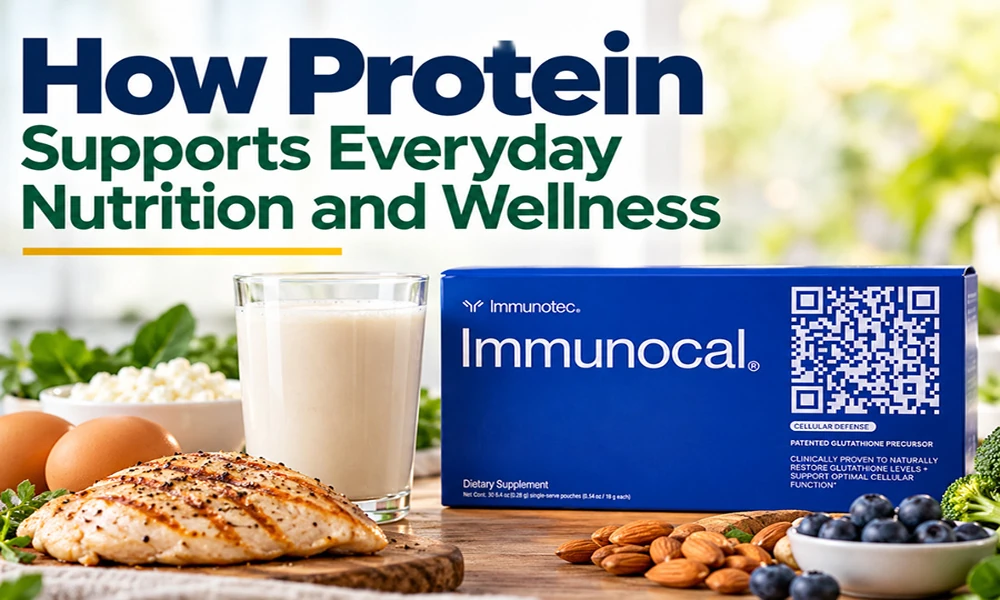
Certain specialized whey-derived products, including Immunocal, are marketed for their cystine-rich protein composition and as a source of amino acid precursors used in glutathione synthesis.
This does not mean every whey protein product has the same composition or that consuming whey guarantees a particular increase in glutathione.
People interested in learning more about Immunocal and its protein formulations can explore the educational and product information available atImmuneGluta.com.
As with any nutritional product, it is important to distinguish between established protein nutrition benefits and claims that require additional clinical evidence.
Protein, Glutathione, and Cellular Health
Protein contributes to much more than muscle maintenance.
Some amino acids are used to produce compounds that participate in normal antioxidant and metabolic processes.
Glutathione is one example.
The body produces glutathione from glutamate, cysteine, and glycine. This molecule helps maintain cellular antioxidant defenses and participates in several metabolic processes.
Adequate nutrition helps provide the building blocks required for glutathione synthesis.
However, the relationship between dietary protein and glutathione is complex.
Glutathione production is regulated by cellular needs, enzyme activity, nutritional status, and other physiological factors.
Consuming more protein does not necessarily lead to proportionally higher glutathione levels.
People exploring antioxidant supplements or comparing different approaches to glutathione support can find additional information at Best Glutathione Supplement.
The broader lesson is that amino acids serve many purposes in the body, and protein nutrition contributes to several important biological systems.
How Much Protein Do Adults Need?
Protein requirements vary depending on age, body size, activity level, and health status.
For generally healthy adults, the U.S. Recommended Dietary Allowance is 0.8 grams of protein per kilogram of body weight per day.
For example, a person weighing approximately 150 pounds, or 68 kilograms, would have an RDA of about 54 grams daily.
This recommendation is intended to meet the needs of most healthy adults, not necessarily to optimize every fitness goal.
People who exercise regularly, especially those engaged in resistance training, may benefit from higher protein intake.
Some experts also recommend higher protein intake for many older adults to help preserve muscle mass, although individual needs differ.
People with certain medical conditions, including some forms of kidney disease, may require individualized protein guidance.
Rather than choosing an arbitrary high-protein target, people are better off considering overall nutritional needs and seeking professional advice when necessary.
Getting Enough Protein Throughout the Day
Many people consume relatively little protein at breakfast and larger amounts at dinner.
Distributing protein across meals can make it easier to meet daily nutritional needs.
For breakfast, options might include eggs, Greek yogurt, cottage cheese, or a fortified soy product.
Lunch could include chicken, tuna, tofu, beans, or lentils.
Dinner might feature fish, lean meat, tempeh, or another protein-rich food.
Snacks such as yogurt, nuts, edamame, or milk can also contribute to daily intake.
Protein supplements may be convenient for people who have difficulty meeting their needs through food, but they are not required for everyone.
The goal is to create an eating pattern that is sustainable, balanced, and appropriate for individual circumstances.
Can Protein Help With Appetite and Weight Management?
Protein can influence appetite and feelings of fullness.
Compared with some other nutrients, protein-rich meals may increase satiety, helping certain people feel satisfied for longer.
Protein also requires energy for digestion and metabolism, a process sometimes called the thermic effect of food.
However, these effects do not mean that simply adding protein guarantees weight loss.
Weight management depends on overall dietary intake, physical activity, sleep, health conditions, and other factors.
A protein-rich diet can still contain more calories than a person needs.
Rather than relying on high-protein products marketed for rapid weight loss, people generally benefit from choosing satisfying meals that include vegetables, fruits, whole grains, appropriate protein portions, and healthy fats.
Protein Needs During Healthy Aging
As people get older, maintaining muscle strength becomes increasingly important.
Age-related changes in physical activity, appetite, digestion, and muscle protein synthesis can make adequate nutrition more challenging.
Some older adults also experience dental problems, reduced appetite, or difficulty preparing meals.
Protein-rich foods that are easy to prepare and consume can help address these challenges.
Examples include yogurt, eggs, soft fish, cottage cheese, tofu, and well-cooked beans.
Resistance exercise remains an important partner to adequate protein intake.
Even relatively simple strength exercises, when appropriate for a person’s health and abilities, can help maintain muscle function.
The combination of good nutrition and regular movement supports independence and quality of life as people age.
Choosing Protein Supplements Carefully
Protein powders, shakes, and bars can be useful, but their labels deserve attention.
Some products contain substantial amounts of added sugar, sweeteners, or ingredients that may not be necessary for a person’s goals.
Consumers should check the protein amount per serving, ingredient list, allergens, and total calorie content.
People with milk allergies should avoid whey protein unless advised otherwise by an appropriate healthcare professional. Those with lactose intolerance may tolerate some whey isolates better than concentrates, but tolerance varies.
Independent quality testing can provide additional assurance about product contents.
It is also important to remember that dietary supplements are not automatically proven effective for every advertised benefit.
A product’s marketing claims should be evaluated separately from the well-established nutritional importance of protein itself.
Building a Balanced Approach to Everyday Wellness
Protein is essential, but it works best as part of a broader approach to health.
Carbohydrates supply energy for many activities, while dietary fats contribute to cell structure and the absorption of certain vitamins.
Fiber supports digestive health, and fruits and vegetables provide essential nutrients and beneficial plant compounds.
Sleep, hydration, physical activity, and stress management also influence how people feel and function.
Focusing exclusively on protein while neglecting these other factors can lead to an unnecessarily restrictive approach to nutrition.
A balanced routine is usually more sustainable than following extreme dietary trends.
Final Thoughts
Protein supports many of the processes that keep the human body functioning normally.
It provides amino acids needed for muscle maintenance, tissue repair, immune function, enzyme production, and cellular metabolism.
Whey protein and other high-quality protein sources can help people meet their nutritional needs, while certain amino acids also contribute to the body’s natural antioxidant systems.
For most adults, the best approach begins with a varied diet containing adequate protein from foods they enjoy.
Supplements may provide convenience in some circumstances, but they should complement good nutrition rather than replace it.
Understanding protein’s many roles makes it easier to make informed choices that support everyday wellness, physical function, and healthy aging.
How Protein Supports Everyday Nutrition and Wellness