
Asbestos-related diseases are notorious for hiding in plain sight. Fibers inhaled during a job or home renovation decades ago can slowly damage the lungs without causing any noticeable problems. When symptoms finally appear, they are often mild at first and easy to blame on aging, allergies, or being out of shape. Learning to recognize the early warning signs can help you get evaluated sooner and protect your long-term health.
Why Symptoms Are So Easy to Miss
The biggest challenge with asbestos-related illness is time. Most conditions take 15 to 50 years to develop after the first exposure. By then, many people have changed careers, moved homes, or simply forgotten that they ever worked with insulation, flooring, or brake parts.
Early symptoms also tend to be vague. A slight shortness of breath or a nagging cough rarely feels urgent. People often adjust their activities without realizing it, taking the elevator instead of stairs or walking more slowly. These quiet changes can mask a disease that is steadily progressing.
Breathing Changes
Shortness of breath is one of the most common early signs. It usually appears first during physical activity such as climbing stairs, carrying groceries, or doing yard work. Over time, it may occur with lighter effort or even at rest.
This happens because asbestos fibers can cause scarring in the lungs or thickening of the lung lining. Both make it harder for the lungs to expand fully and move oxygen into the blood. If you notice that you get winded more easily than you used to, especially compared with friends your age, it is worth mentioning to your doctor.
A Persistent Cough
A dry cough that lingers for weeks or months is another frequent warning sign. In asbestosis, the cough is often dry and nonproductive. With lung cancer, the cough may change in character over time, become deeper, or produce mucus.
Pay particular attention if a cough:
- Lasts longer than three weeks without an obvious cause
- Gets steadily worse instead of improving
- Produces blood or rust-colored mucus
- Is accompanied by hoarseness or a change in your voice
Coughing up blood, even a small amount, should always prompt a prompt medical evaluation.
Chest Pain and Tightness
Discomfort in the chest can take several forms. Some people describe a dull ache, while others feel a sharp pain that worsens with deep breaths, coughing, or laughing. A sensation of tightness or pressure across the chest is also common.
Chest pain may arise when disease affects the pleura, the thin lining around the lungs. Fluid can build up between the layers of this lining, a condition called pleural effusion, which can cause pain and make breathing harder. Information from the American Lung Association can help you understand the many causes of chest discomfort and when it needs attention.
Frequent Respiratory Infections
Lungs damaged by asbestos may have a harder time clearing germs. Some people notice that they catch bronchitis or pneumonia more often, or that colds settle in their chest and take much longer to resolve. Repeated infections in the same area of the lung can also signal a tumor blocking an airway.
Whole-Body Symptoms
Not every warning sign involves the lungs directly. Asbestos-related cancers can cause general symptoms that affect the whole body, including:
- Unexplained weight loss
- Loss of appetite
- Ongoing fatigue that rest does not fix
- Night sweats or low-grade fevers
- Swelling in the face or neck
Clubbing of the fingers, where the fingertips become wider and rounder and the nails curve downward, can occur in advanced asbestosis and some lung cancers. It develops slowly and is easy to overlook.
Who Should Be Most Alert
Anyone with known asbestos exposure should watch for these signs, but the risk is highest for people who worked for many years in construction, shipyards, power plants, refineries, manufacturing, auto repair, or the military. Family members who lived with these workers may also have been exposed through dust carried home on clothing.
Homeowners and renters who remodeled or demolished parts of buildings constructed before 1980 should also be aware. Educational sites like Asbestos.com explain which products and occupations most commonly involved exposure, which can help you assess your own history.
What to Do If You Notice Symptoms
If any of these warning signs sound familiar, schedule an appointment with your primary care doctor. Be specific about your symptoms, when they began, and whether they are getting worse. Most importantly, share your exposure history in detail. Doctors may not think to ask about jobs you held forty years ago.
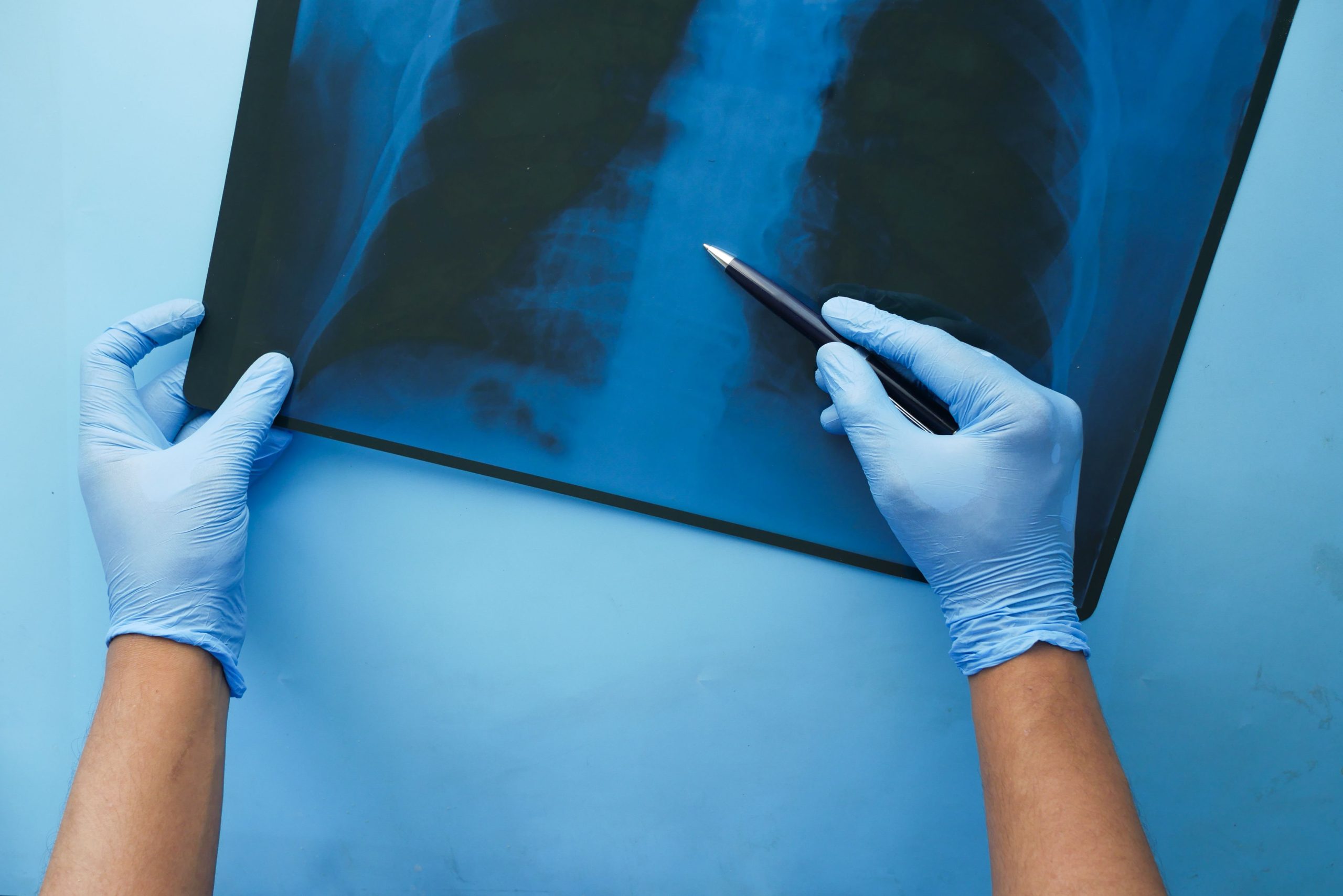
Your provider may order a chest X-ray, a CT scan, or breathing tests called pulmonary function tests. If something concerning appears, you may be referred to a pulmonologist or oncologist. Many patients find it reassuring to read about the diagnostic process ahead of time. The National Cancer Institute offers clear explanations of tests and next steps.
Small Changes Deserve Attention
Asbestos-related disease rarely announces itself loudly. It shows up as small shifts in breathing, a cough that lingers, or fatigue that does not lift. Paying attention to these changes and speaking up early gives you the best chance of catching a problem when more treatment options are available.
Reference Material